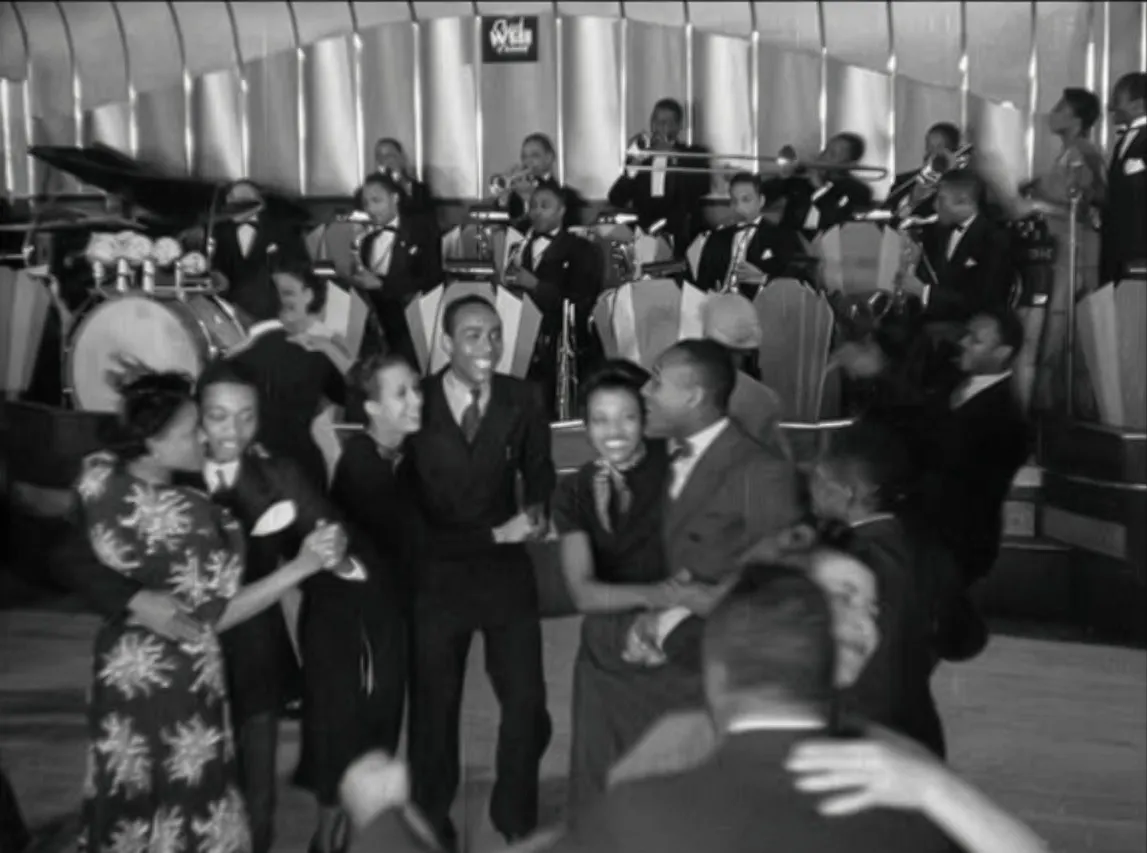
Cape Town's dance story is older than most people realise. Social dancing was already part of life at the Cape in the seventeenth and eighteenth centuries, when sailors, settlers, travelling musicians and local communities gathered in inns, homes, halls and public spaces. By the eighteenth century, formal dances had become part of social life in the Cape Colony, especially on festive occasions and in households where music and dancing formed part of hospitality.
During the nineteenth century, European social dances such as the waltz, polka, quadrille and later the lancers became fashionable across many parts of the colonial world, including the Cape. These dances were not simply copied unchanged. In Cape Town, they mixed with local musical traditions, string bands, community gatherings, family celebrations and public dance culture. Out of this long process, local partner-dance traditions such as langarm developed a distinct South African character. Dunseith records that quadrille-band string orchestras were active at Cape dances from the 1850s into the early 1900s, helping to shape the local instrumental dance-music tradition from which langarm later emerged.
By the early twentieth century, ballroom dancing had become an increasingly organised social activity in South Africa. Waltz, tango and other ballroom forms appeared in dance halls, clubs, hotels and community venues. The First World War period, from 1914 onwards, helped expand public social dancing. Fundraising balls, victory celebrations, urbanisation, gramophones and the arrival of newer dance rhythms all contributed to a more open and energetic dance scene.
In the 1920s and 1930s, ballroom dancing in South Africa became more formally structured. Dance teachers, associations, amateur organisations and competitions helped move ballroom from a purely social pastime into a recognised competitive activity. The first national ballroom dance competition is recorded in 1928, with heats held across South Africa and a final in Johannesburg. This period laid the foundation for the later world of medal tests, syllabus levels, championships and DanceSport.
The international ballroom tradition also continued to develop. The techniques that modern dancers now associate with International Standard and Latin were largely standardised in the decades before the Second World War. Over time, South African studios absorbed these international systems, while still retaining local social forms such as sokkie and langarm alongside formal ballroom training.
Cape Town also continued to welcome newer social dance cultures. Salsa, with deep Caribbean, Cuban and Latin American roots, became part of Cape Town's social dance life in the early 2000s and has grown through studios, clubs, socials, festivals and public events. The V&A Waterfront described salsa in Cape Town in 2022 as having been enjoyed in the city for “the better part of 20 years”, with links to Cape Town's own musical environment, including Goema and Cape Jazz.
Bachata, originally from the Dominican Republic, first emerged as a recorded music style in the early 1960s, with José Manuel Calderón's early recordings often cited as part of its recorded beginnings. It later spread internationally as both a music and partner-dance culture. In Cape Town, bachata has become part of the wider Latin social dance scene and is now commonly taught alongside salsa and other social partner dances.
Today, Cape Town's dance culture is a blend of tradition and renewal. In one city, you may find a ballroom competition, a sokkie evening, a salsa social, a bachata workshop, an American Smooth class, a medal test, a wedding-dance lesson and a beginner group class happening in the same week. In South Africa, we have a special mix of culture and passion not found anywhere else.
Cape Dance Hub exists to help you find your way into that world.