About Us & Dancing in South Africa

Discover more about South African dance history, the various dance styles on offer in our community, and learn about the difference between social and competitive dancing to find what is right for you.

A World of Disciplines

Choosing a dance style can feel confusing at first. The good news is that you do not need to know the answer before you begin. Most dancers discover their style by trying a few classes, meeting people, and noticing which music makes them want to move. From the structured, breathtaking grace of International Standard to the fast-paced, rhythmic rotation of South African social Sokkie - take your pick or do them all! Read below for more detail on what each style entails.

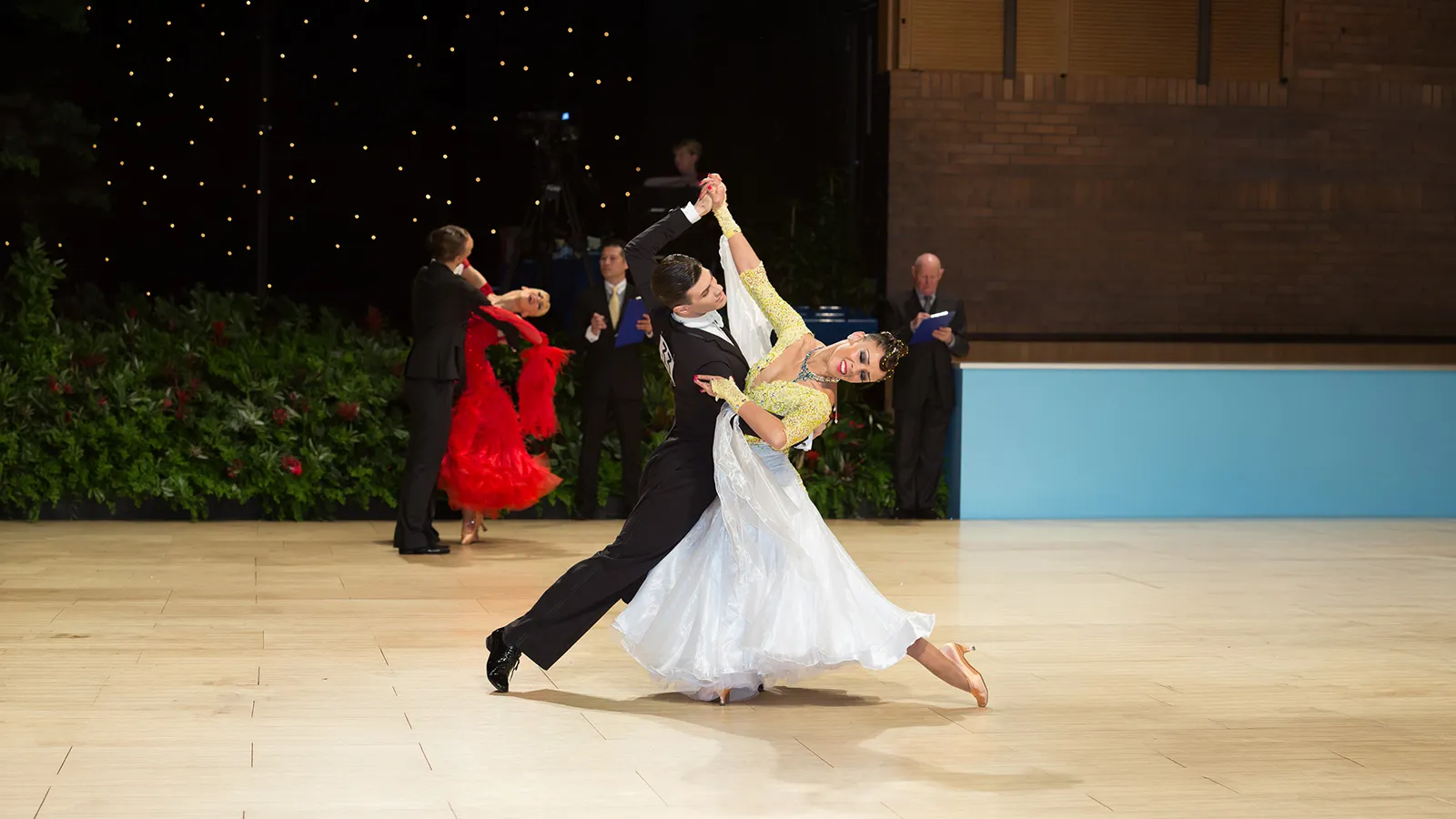
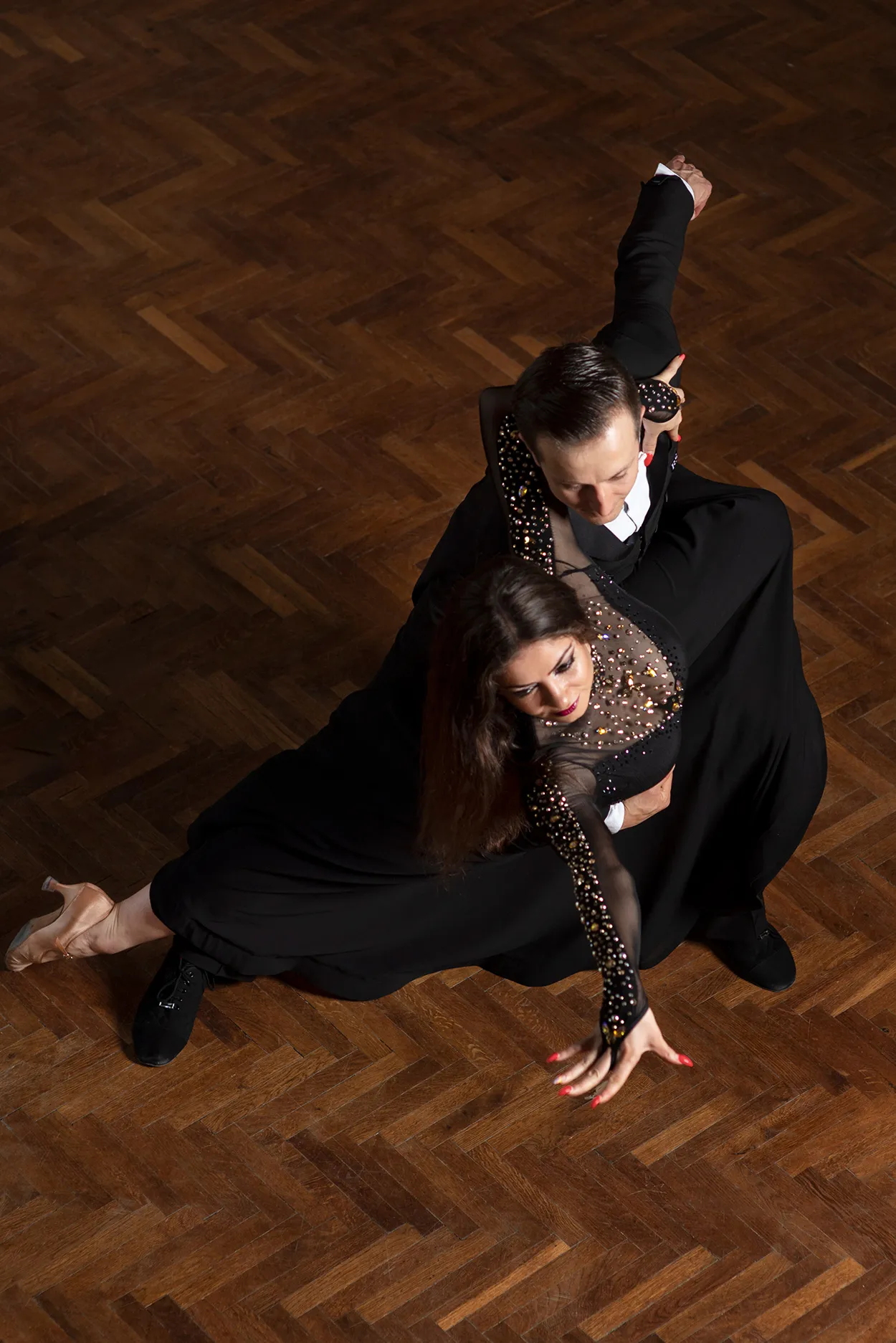
International Standard ballroom dancers in closed hold

Ballroom

International Standard

International Standard comprises the Waltz, Tango, Viennese Waltz, Slowfox, and Quickstep. This discipline is defined by closed-hold connection and continuous movement across the floor.

Dancers must master the intricate 'rise and fall' and expansive movement of the Waltz and other swing dances, as well as the sharp, staccato aggression of the Tango, with a lower, more compact frame. It requires discipline, strong posture and a powerful partnership that appears effortless to the observer.
American Smooth dancers in open hold

Ballroom

American Smooth

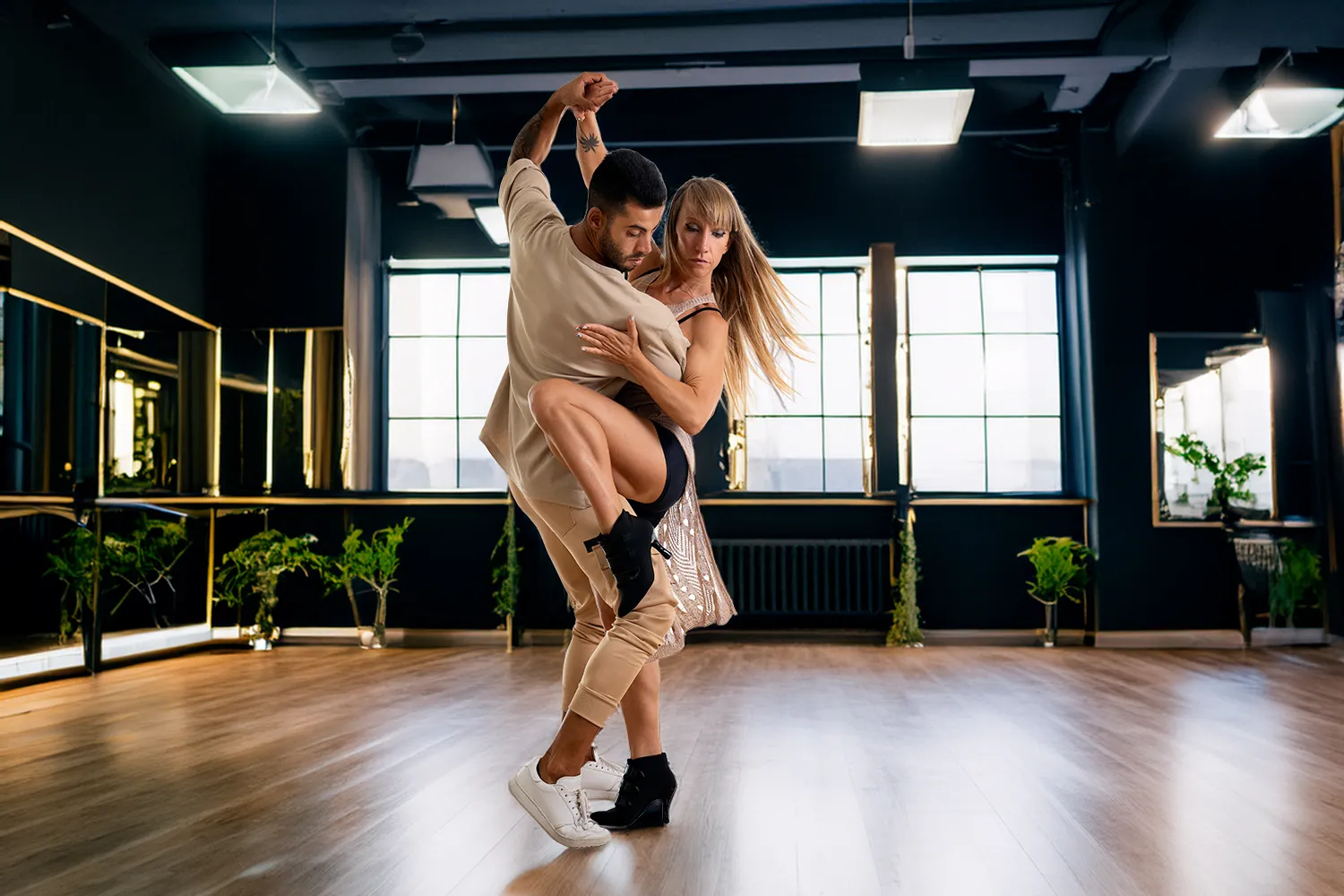
American Smooth takes the foundations of Standard and incorporates freedom of movement. By allowing partners to separate and execute solo movements and theatrical lines, Smooth offers a unique blend of ballroom structure and show-dance-style performance, with an emphasis on musicality.

It is characterized by its fluidity and use of open positions. Dancers explore the emotional depths of the music with greater physical range, making it a favourite for those who wish to tell a story beyond the limits of the traditional closed hold. This style allows lifts, drops and aerial movements.

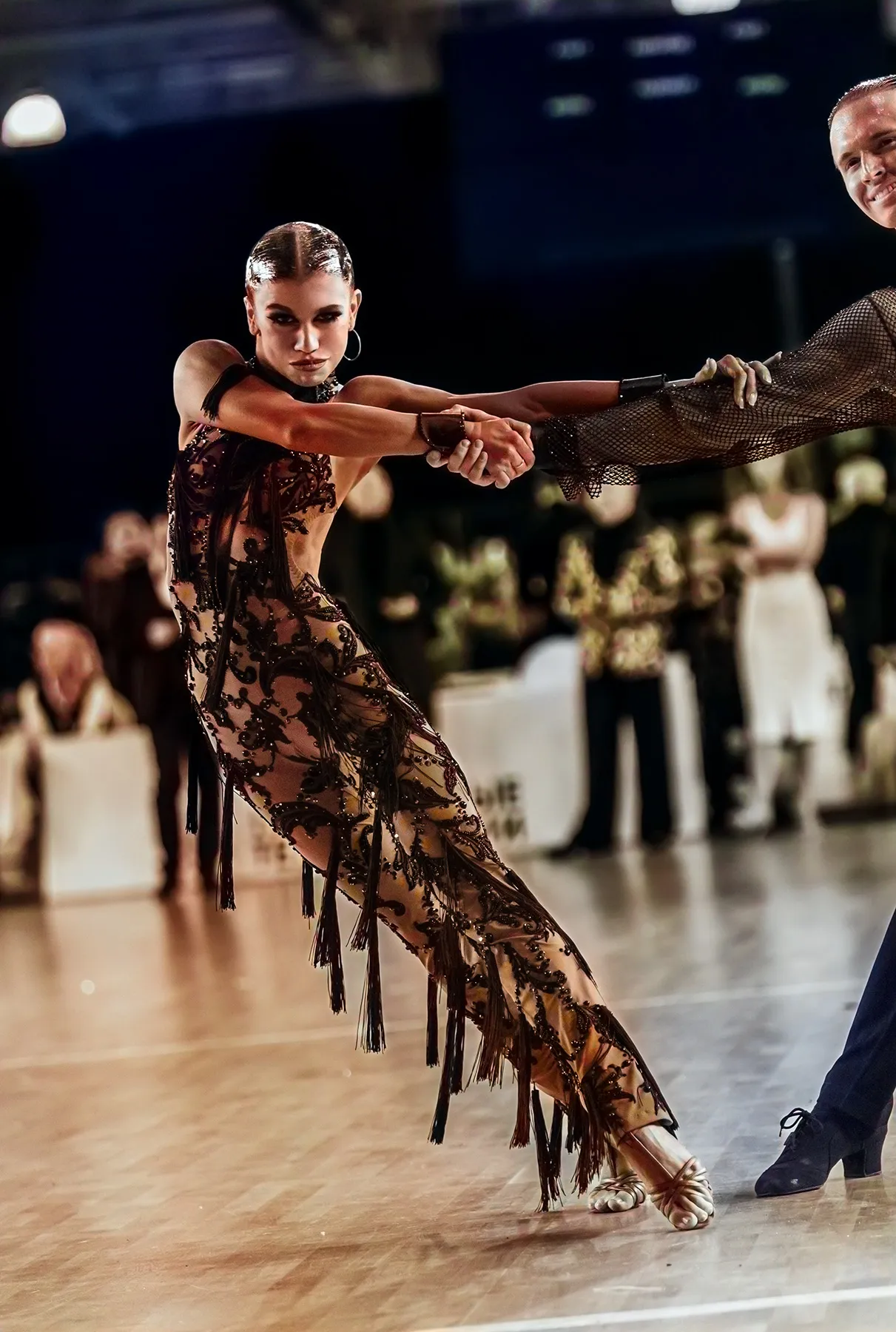
Competitive Latin dancers performing the Cha-Cha

Competitive Latin

Latin American

The Latin discipline—Cha-Cha, Samba, Rumba, Paso Doble, and Jive— is a combination of rhythm, athleticism, and energy. Each dance tells a distinct story, from the flirtatious play of the Cha-Cha to the dramatic bullfight narrative of the Paso Doble.

Technical mastery in Latin focuses on 'Cuban motion,' leg speed, and the isolation of movement. It is high-energy, visually arresting, and demands an intense connection between partners to enable lead-and-follow and musicality with a hold that is much more open than in Standard.

Salsa and Bachata dancers at a Cape Town social

Social Latin

Salsa and Bachata

Salsa and Bachata are social partner dances with Latin roots, popular in clubs, socials and dance studios around the world. Salsa is generally faster and more energetic, with turns, rhythm changes and a strong sense of timing.

Bachata is usually slower and more compact, with simpler basic steps, body movement and close partner connection. Both are typically improvised and can be danced with any partner. For beginners, they also offer an accessible way to learn partner dancing and build confidence on the social floor.

West Coast Swing dancers in a slot dance

Swing

West Coast Swing

West Coast Swing is the most contemporary and versatile of the partner dances. Defined by its unique 'elastic' or 'slingshot' connection, it allows for creative freedom for both the leader and the follower.

Unlike many traditional styles, West Coast Swing can be danced to almost any genre of music — from R&B and pop to blues and jazz. It is a constantly changing art form that prioritizes musicality, improvisation, and individual expression. It allows for all levels of progression - from social to professional.

Sokkie dancers at a South African social event

Local

South African Sokkie

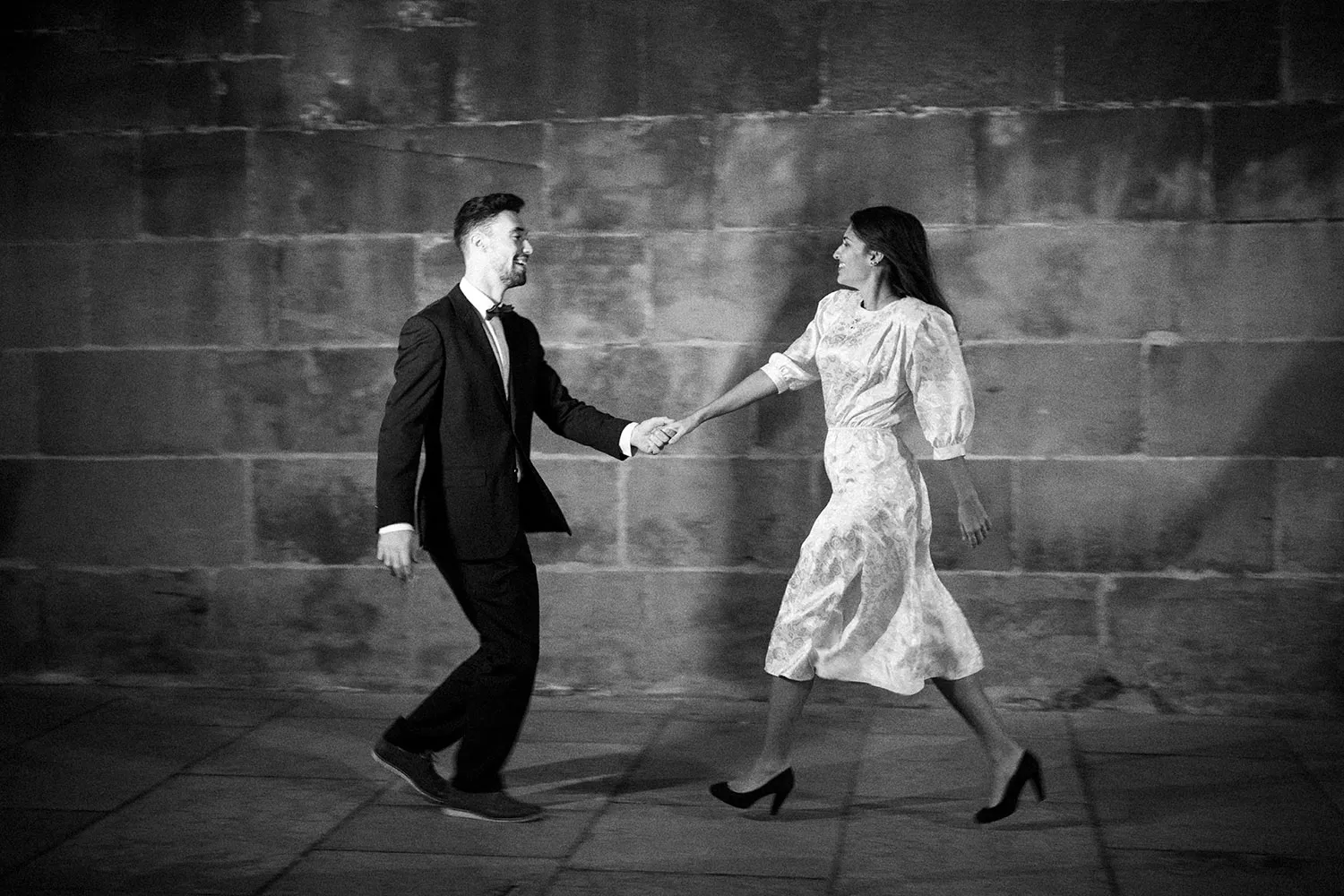
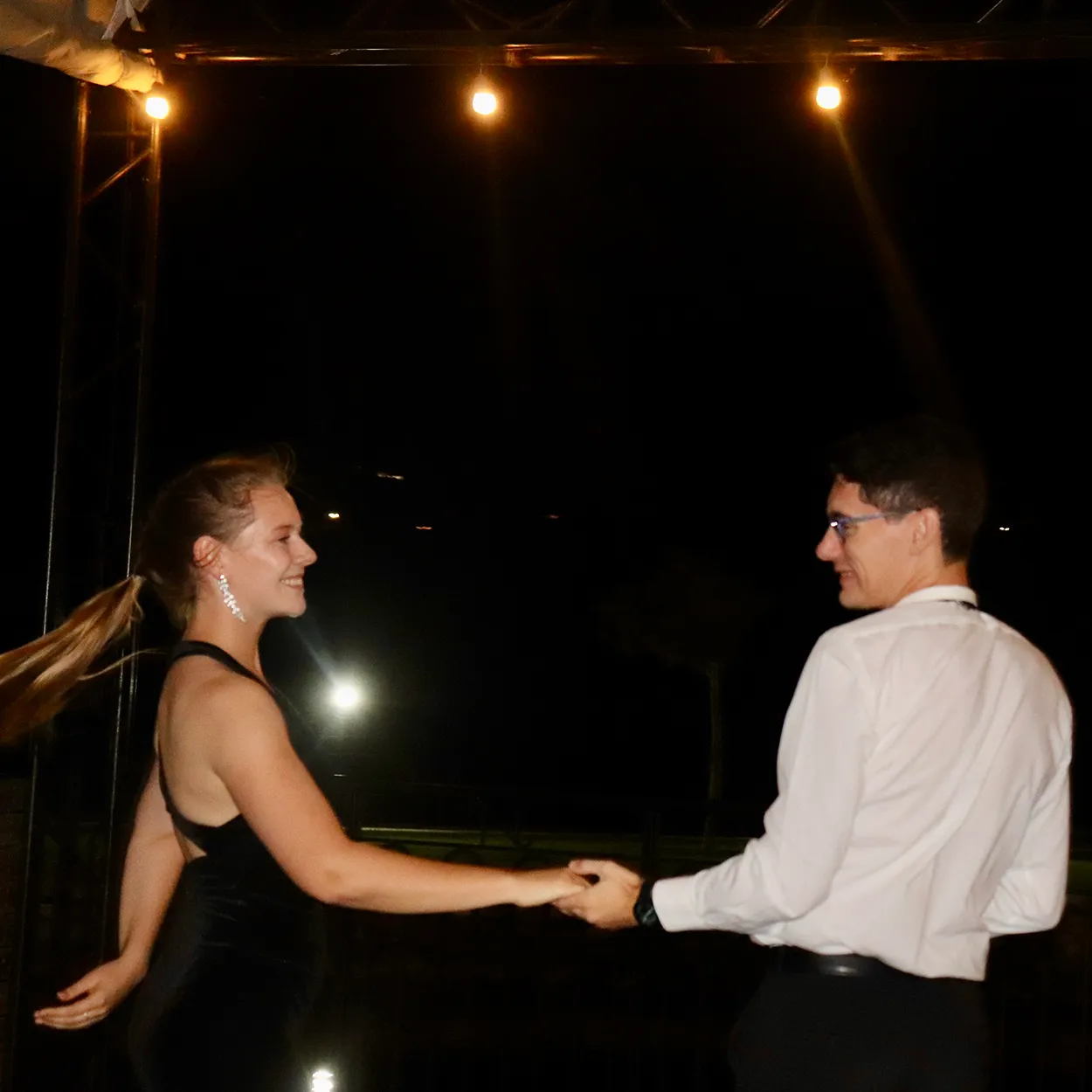
Sokkie is a cherished part of South Africa's cultural fabric, especially in the Afrikaans communities. Fast-paced and rotational, it is characterized by its close connection and rapid spins. This is the dance of weddings, parties and any get-together. It can be danced in various styles like two-step, skoffel and 'loopdans'.

Like swing, it is a purely improvisational, meant for social settings where anyone can dance with any partner. That is part of what makes this such an exhilarating experience on the floor. All moves are allowed - including lifts, flips, drops and aerials.